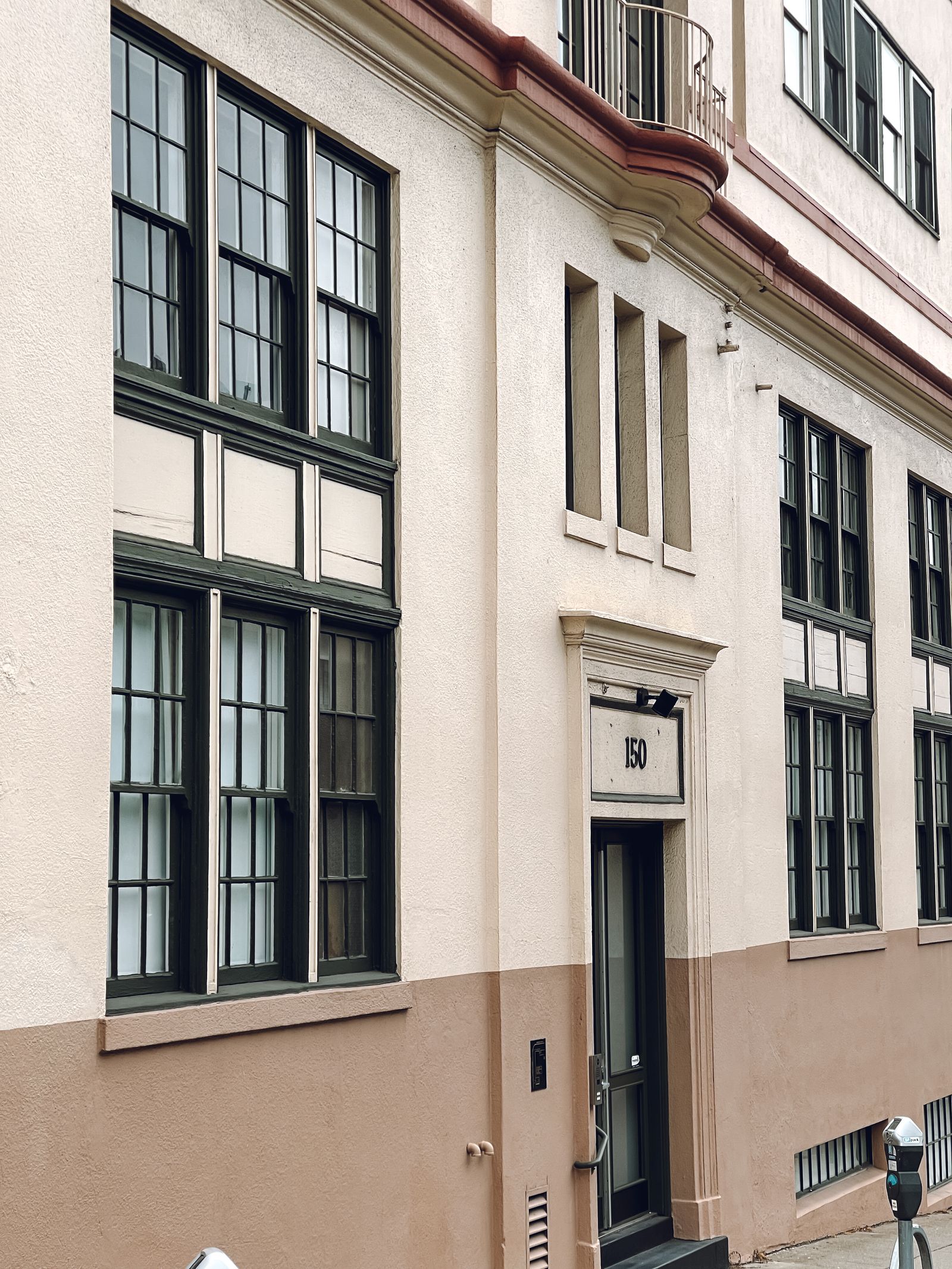
Soft washing is a controlled cleaning process, not a promise of zero pressure
Soft washing generally uses compatible chemistry, controlled dwell, and a lower-impact rinse to loosen and remove appropriate contamination. It may fit ordinary dust film, pollen, bird residue, algae, mildew, and surface soil on compatible brick, concrete, stucco, EIFS, painted finishes, and other tested materials. The word soft does not mean that every building receives identical pressure or chemistry. Concentration, dwell time, temperature, agitation, rinse volume, protection, drying conditions, and the condition of the substrate all affect the result.
On a Lubbock office, medical building, Texas Tech-area facility, retail center, school, warehouse, or mixed-use property, soft washing can be useful for broad facade soil when the work zone and water path are controlled. It does not repair a leaking roof, failed joint, cracked stucco, spalled concrete, corroded panel, loose coating, damaged glass, or underlying drainage problem. A quote should name the appearance condition being addressed and identify conditions that need a roofer, mason, glazier, painter, corrosion specialist, or envelope professional.
Pressure washing can fit selected Lubbock hardscape zones
Pressure washing can be appropriate for some durable surfaces such as tested concrete walks, curbs, ramps, loading pads, service yards, parking structures, and selected masonry areas when the substrate, nearby finishes, drainage, and operating plan support it. It may release adhered soil that a controlled low-impact rinse cannot. That does not make high pressure the default for a facade. Excessive pressure can etch concrete, erode mortar, drive water into joints, strip paint or coatings, damage stucco and EIFS, break seals, and send dusty or contaminated water beyond the intended work zone.
A retail center might use pressure on a tested concrete trash-pad or loading area while its storefront frames, signs, stucco, and glass receive another method. A warehouse could have a concrete truck court that is suitable for pressure while insulated panels, dock seals, cameras, and electrical equipment need careful protection. At a clinic or university building, the best answer may combine soft washing, water-fed poles, hand detail, and limited hardscape pressure. Compare the materials and the outcome, not the loudness of the equipment.
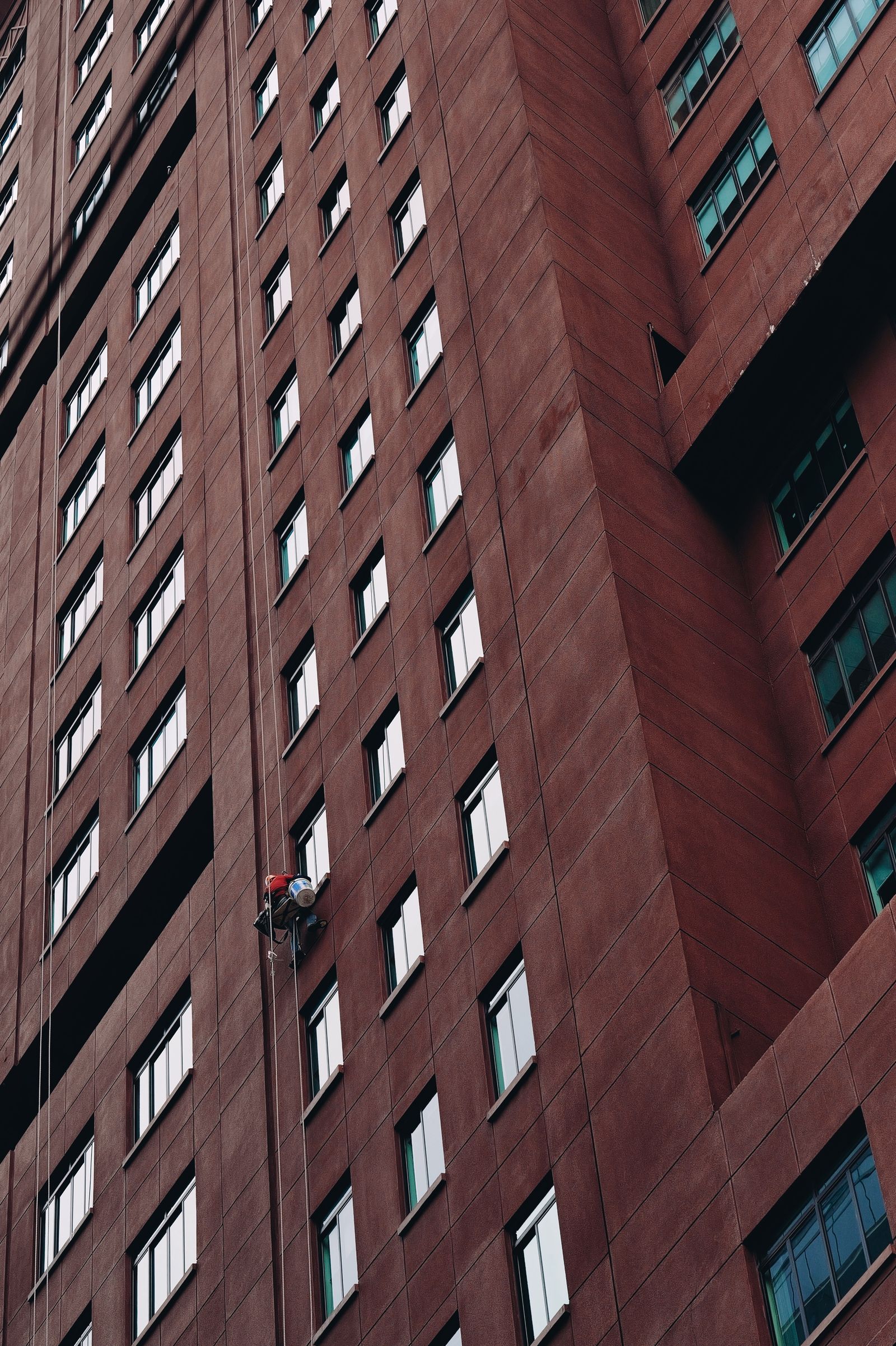
Identify Lubbock residue before choosing equipment
Fine dust often settles on ledges, parapets, sign faces, glass, canopies, rooftop screens, and recessed entries. Wind can pack soil into joints and move it back onto a surface soon after cleaning. Irrigation overspray can leave mineral spotting on masonry, glass, metal, and painted panels. Bird residue may concentrate around rooflines and signs. Shaded areas, condensate discharge, or a slow-draining detail can support algae or mildew even during a generally dry season. Strong sun can reveal chalking, faded coatings, sealant aging, and uneven dry-down. Each condition changes the likely method and expected result.
The source matters as much as the mark. A vertical stripe beneath a parapet may reflect a drain, flashing, failed sealant, or roof detail. A band near a drive aisle may come from traffic splash, irrigation, or grading. White deposits can be mineral, salt-like residue, or efflorescence rather than removable dirt. Oxidation, corrosion, construction residue, adhesive, and graffiti may need specialty work. A method comparison is incomplete if it treats every visible condition as a pressure problem.
- Dust and ordinary soil may fit a controlled rinse after the facade is tested.
- Mineral deposits and efflorescence may need specialty treatment or source correction.
- Oxidation, corrosion, coating failure, and construction residue should not be promised away as routine washing.
- Recurring stripes should trigger a review of drains, irrigation, flashing, sealants, and grading.
Compare the material, access route, and public risk
Brick and mortar require attention to joint condition, age, and existing damage. Stucco and EIFS need a review of cracks, penetrations, drainage details, and the risk of forcing water behind the finish. Tilt-up concrete may tolerate a different approach than painted metal, insulated panels, coated trim, or older signage. Glass, seals, cameras, lights, air intakes, and rooftop equipment need protection regardless of method. A discreet test area can reveal whether dust lifts cleanly, whether a coating changes, and whether spotting remains after a controlled rinse.
Access can be as important as chemistry. Broad upper walls may support drone assistance when wind, airspace, visual control, launch space, stand-off distance, hose routing, and ground protection work together. A downtown sidewalk, Texas Tech event area, busy retail drive, medical drop-off, active road, overhead utility, or airport-adjacent property may favor a lift, pole, roof access, hand detail, or a phased schedule. Drone assistance does not replace contact cleaning at entrance glass, frames, recessed details, signs, or bonded deposits, and pressure equipment does not solve an access-control problem.
Treat wind, heat, water, and drainage as part of the comparison
Lubbock wind can redirect spray, carry dust onto a wet facade, and make it difficult to protect shoppers, patients, students, vehicles, utilities, and adjacent businesses. Heat and strong sun can shorten dwell time and accelerate dry-down. Lightning, rain, dust storms, poor visibility, standing water, or heat stress can change the safe work window. A wet sidewalk outside a clinic, office, store, or campus entrance can become a slip concern. The quote should identify wind and weather limits, pause triggers, surface conditions, and the inspection needed before the area is returned to use.
Drought-aware planning means using a method that matches the finish and the soil load without assuming unlimited rinse water. Confirm the source, available volume, hose route, recovery or diversion needs, and owner or municipal requirements. Locate curbs, inlets, planted areas, low points, detention features, process drains, and neighboring property. The closest inlet is not automatic permission to discharge there. Depending on residue, products, slope, volume, and the water path, the plan may require reduced rinse volume, diversion, recovery, filtration, plant protection, disposal, or authority confirmation.
A method that looks fast on paper may be a poor fit if it creates more water than the site can manage or forces work during a busy customer period. Compare the complete process: protection, application, dwell, rinse, water movement, drying, handback, and documentation. That is especially important for a downtown building, medical campus, university-area property, or retail corridor where one blocked route can affect many people.
Choose by the finish the property needs
The practical answer is often a combination. A proposal may use soft washing for compatible facade dust and organic film, controlled rinsing for upper panels, a water-fed pole for selected glazing, hand detail at entries, and pressure washing only on a tested concrete hardscape zone. Another property may need specialty mineral work, coating assessment, or repair before washing. There is no useful method comparison without a defined finish standard: dust film removal, improved curb appeal, cleaned entrance, restored glass appearance, or a recurring maintenance condition are different outcomes.
Ask each provider to identify the elevations, materials, residue, access method, water and drainage assumptions, protection plan, weather limits, operating windows, exclusions, test-area approach, closeout records, and expected finish. A low price that excludes glass detail, water planning, public-route protection, mineral treatment, or facility coordination may not describe the same work as a building-specific proposal. Ask what will remain and what should be referred to another professional.
For a Lubbock comparison or quote, send photographs from the main elevations, roof edges, entries, loading areas, service yards, and problem spots. Include approximate height, materials, known leaks or repairs, wind exposure, water access, drainage, preferred dates, tenant or production restrictions, event schedules, and security requirements. Call +1 239-351-2897, email contact@dronebuildingcleaners.com, or submit the quote form so the recommendation can match the building and the people using it.